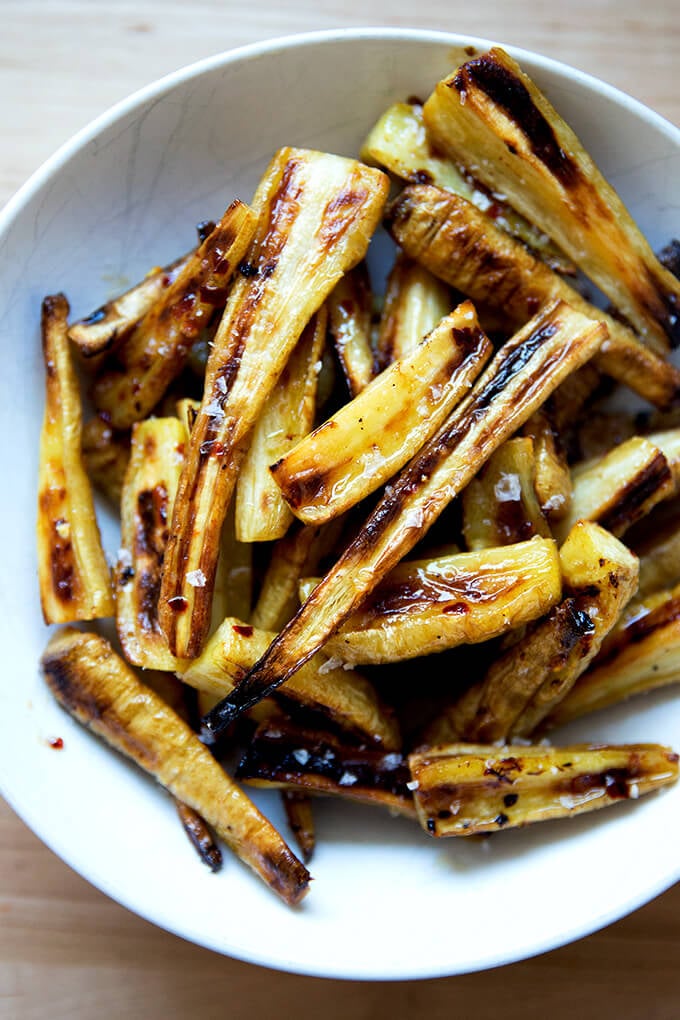
Roasted Parsnips: Peel or Not? Unveiling the Magic of Chili Maple Butter
Often overshadowed by their carrot cousins, parsnips are a truly underrated root vegetable, boasting a unique flavor profile that transforms into culinary gold when roasted. But before we dive into the irresistible sweet, spicy, and tangy embrace of chili maple butter, a fundamental question often arises: do you peel parsnips before cooking? This seemingly simple query sparks a surprising debate among home cooks, each side passionate about their preferred method. Let's explore the nuances and unlock the secrets to perfectly Sweet & Spicy Roasted Parsnips with Chili Maple Butter that will undoubtedly become your new favorite side dish.
The Great Parsnip Peel Debate: To Peel or Not to Peel?
The decision to peel or not to peel parsnips is less about a hard-and-fast rule and more about personal preference, the parsnip's age, and the desired final texture. Both approaches have their merits, and understanding them can help you decide for your next meal.
Arguments for NOT Peeling Parsnips: Embrace the Rustic Charm
Many culinary enthusiasts advocate for skipping the peeler altogether, particularly for smaller, younger parsnips. The primary reasons include:
- Time-Saving: Let's face it, peeling can be tedious. Giving your parsnips a good scrub under running water, trimming the ends, and slicing them is significantly faster.
- Nutrient Retention: Like many vegetables, a significant portion of nutrients and fiber resides close to or in the skin. Keeping the skin on means you're consuming more goodness.
- Rustic Appeal: The skin adds a charming, slightly rugged appearance that can be appealing in certain dishes, particularly when showcasing the natural beauty of the vegetable.
- Flavor Contribution: For young, tender parsnips, the skin is thin and contributes a subtle earthiness that can enhance the overall flavor profile without being bitter or tough.
The caveat here is cleanliness and size. If you choose not to peel, ensure a thorough scrub to remove any dirt or residue. This method is best reserved for smaller, more tender parsnips whose skins are less likely to be fibrous or bitter.
Arguments for PEELING Parsnips: For a Smoother, Cleaner Finish
On the other hand, many cooks, myself included in certain situations, prefer to peel parsnips for specific reasons:
- Improved Texture: The skin of larger, older parsnips can be tough and fibrous, detracting from the otherwise tender, fluffy interior. Peeling ensures a consistently smooth and pleasant texture.
- Removes Bitterness: As parsnips age, their skin can develop a slightly bitter or more pronounced earthy flavor that some find unappealing. Peeling mitigates this.
- Aesthetic Appeal: Peeled parsnips tend to look cleaner, more uniform, and perhaps more "polished" on the plate, which can be desirable for presentation.
- Addressing Woody Cores: Larger parsnips often develop a fibrous, woody core down their center. While peeling doesn't directly remove this, it's often a step taken concurrently when halving or quartering the parsnip to then remove the core.
Our Verdict: A Middle Ground Approach
Ultimately, the best approach depends on the parsnips themselves. For small, young, and tender parsnips, a good scrub is likely sufficient. However, if your parsnips are larger, appear older, or if you simply prefer a smoother texture and a less earthy flavor, a quick peel is worth the minimal effort. If you find a particularly large parsnip, definitely peel it, and be sure to halve or quarter it lengthwise and remove any tough, woody core.
Unlocking the Unique Flavor Profile of Parsnips
Parsnips are truly a culinary chameleon. Often mistaken for white carrots, their flavor is far more complex and captivating. They boast a distinctive earthy, slightly spicy flavor, intertwined with a natural sweetness that intensifies upon cooking. Their texture is starchy, similar to a potato, yet with a creaminess when properly cooked.
Some describe their taste as having notes of anise, while others detect sweet nuttiness or even a hint of nutmeg. This complexity makes them incredibly versatile. When roasted, their natural sugars caramelize, bringing out an even deeper sweetness and a delightful nuttiness that perfectly complements the savory, spicy, and tangy notes of our chili maple butter. This transformation is what makes roasted parsnips with chili maple butter so utterly addictive.
Why Roasting is the Superior Method for Parsnips
While parsnips can be boiled, steamed, or added to stews, roasting them at a high temperature is, hands down, the best way to unleash their full potential. This method creates a symphony of textures and flavors that other cooking techniques simply can't replicate:
- Caramelization Magic: High heat coaxes out the parsnips' natural sugars, causing them to caramelize on the surface. This results in those coveted crispy, golden-brown edges that are packed with intensely sweet and savory flavor.
- Fluffy, Tender Interiors: While the outside crisps, the inside becomes incredibly tender and fluffy, melting in your mouth.
- Concentrated Flavor: Roasting concentrates the parsnips' unique earthy and sweet notes, making them more pronounced and delicious.
- Hands-Off Cooking: Once prepped and in the oven, roasting is largely a passive cooking method, freeing you up to focus on other parts of your meal.
This process of high-heat roasting is precisely what allows the parsnips to develop the ideal canvas for a rich, flavorful glaze like our chili maple butter. For a simple and quick option, consider trying this Easy Sheet Pan Chili Maple Roasted Parsnips Recipe.
Crafting the Irresistible Chili Maple Butter
The magic truly happens when perfectly roasted parsnips meet a vibrant, balanced glaze. Our chili maple butter is a revelation – sweet, spicy, tangy, and rich, it elevates the humble parsnip to star status. Here’s what makes it so special:
- Maple Syrup (or Honey): The foundation of our glaze, providing a rich, earthy sweetness that pairs beautifully with the parsnips. While honey is a classic, maple syrup offers a distinct, cozy warmth that truly shines.
- Butter: Essential for richness, mouthfeel, and helping the glaze cling to every crevice of the roasted parsnips, ensuring a luxurious finish.
- Chili Kick: This is where the "chili" comes in! Crushed red pepper flakes are a simple, readily available choice for a quick, even heat. For a more nuanced, smoky heat, dried chiles de árbol can be rehydrated and minced. Adjust the amount to your desired spice level – a gentle warmth or a fiery kick!
- Apple Cider Vinegar: The secret weapon! A tablespoon of apple cider vinegar cuts through the sweetness and richness, adding a crucial tangy "bite" that balances all the flavors and brightens the entire dish. Do not skip this!
- Optional Additions: A hint of warm ginger, as found in some maple ginger glazes, can add another layer of complexity if you enjoy those cozy spice notes.
The beauty of this chili maple butter lies in its ability to transform not just parsnips, but practically any roasted vegetable into something extraordinary. The combination of sweet from the maple, heat from the chili, and tang from the vinegar creates an explosion of flavor that will have everyone reaching for more.
Practical Tips for Perfect Roasted Parsnips with Chili Maple Butter
- Preparation is Key: Whether you peel or scrub, ensure your parsnips are clean. Trim both ends. If using larger parsnips, halve or quarter them lengthwise and remove the tough, fibrous core. Aim for pieces of similar size to ensure even cooking.
- Uniform Cuts: Cut your parsnips into roughly 1-inch thick pieces or wedges. This ensures they cook evenly and achieve that perfect crispy-tender balance.
- Season Before Roasting: Toss the prepared parsnips with a good drizzle of olive oil, salt, and black pepper. You can even add a pinch of red pepper flakes here for a foundational heat.
- High Heat is Your Friend: Preheat your oven to 425°F (220°C). Arrange the parsnips in a single layer on a baking sheet, ideally cut-side down if applicable, to maximize caramelization. Don't overcrowd the pan; use two if necessary.
- Roast to Perfection: Roast for 25-30 minutes, or until the parsnips are fork-tender inside and beautifully crispy and caramelized on the edges. Flip them once halfway through cooking.
- Glaze After Roasting: While the parsnips are roasting, gently melt your butter and stir in the maple syrup, chili flakes (or minced chiles de árbol), and apple cider vinegar. Once the parsnips are out of the oven, immediately toss them with the warm chili maple butter.
- Finish with Flaky Salt: A generous sprinkle of flaky sea salt just before serving is non-negotiable. It adds a delicate crunch and truly makes all the flavors pop.
Conclusion
Roasted parsnips, whether peeled or not, are a delicious, versatile, and often overlooked vegetable that deserves a place on your table. When elevated with a homemade chili maple butter, they transcend a simple side dish to become an unforgettable culinary experience. The debate over peeling ultimately comes down to personal preference and the specific parsnip, but the undeniable truth is that the sweet, spicy, and tangy glaze transforms them into a truly irresistible treat. So, grab some parsnips, decide on your peeling preference, and prepare to fall in love with this remarkably flavorful and surprisingly easy dish.
